Beyond the Podium: How MUNs Shape Future Leaders
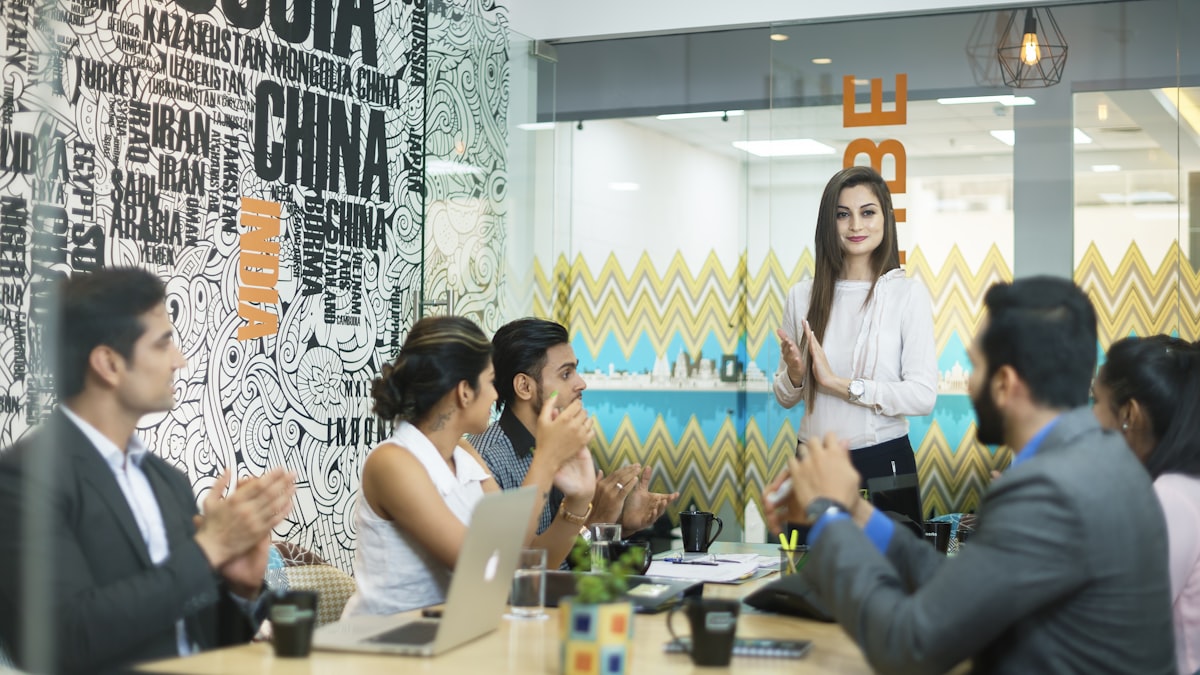
To the uninitiated, a Model United Nations (MUN) conference might look like a group of students playing dress-up in business formals. But look closer, and you will see something far more profound happening.
You will see a 15-year-old negotiating a complex trade treaty. You will see a college freshman resolving a humanitarian crisis. At Uniteg, we have witnessed firsthand how these simulations do more than just improve public speaking—they forge character.
The Art of Empathy
One of the unique challenges of an MUN is representing a country whose policies you might personally disagree with. If you are assigned to represent a nation with a strict stance on climate change, you must argue that stance passionately.
This forces students to step out of their own echo chambers. It teaches cognitive empathy—the ability to understand someone else's perspective, even if you don't share it. In today's polarized world, this skill is a superpower.
Critical Thinking Under Pressure
In a classroom, you have time to think. In a Crisis Committee at an MUN, time is a luxury you don't have. When a "crisis" is introduced—say, a sudden economic crash or a border dispute—delegates must think on their feet.
- They analyze data instantly.
- They form alliances (lobbying) within minutes.
- They draft resolutions that are legally sound.
This high-pressure environment simulates real-world corporate and political boardrooms. It trains the brain to remain calm when the stakes are high.
Conclusion
An MUN certificate looks great on a college application, but the confidence gained lasts a lifetime. Whether you want to be a diplomat, an engineer, or an entrepreneur, the ability to articulate your thoughts and negotiate solutions is the ultimate career hack.
Ready to start your journey? Check out our Upcoming Events.